Heart health can sound like a long list of rules, but the most supportive habits often overlap with the things that help the rest of you feel well: enjoyable movement, nourishing food, restorative rest, social connection, and appropriate preventive care.
Choose movement you can welcome
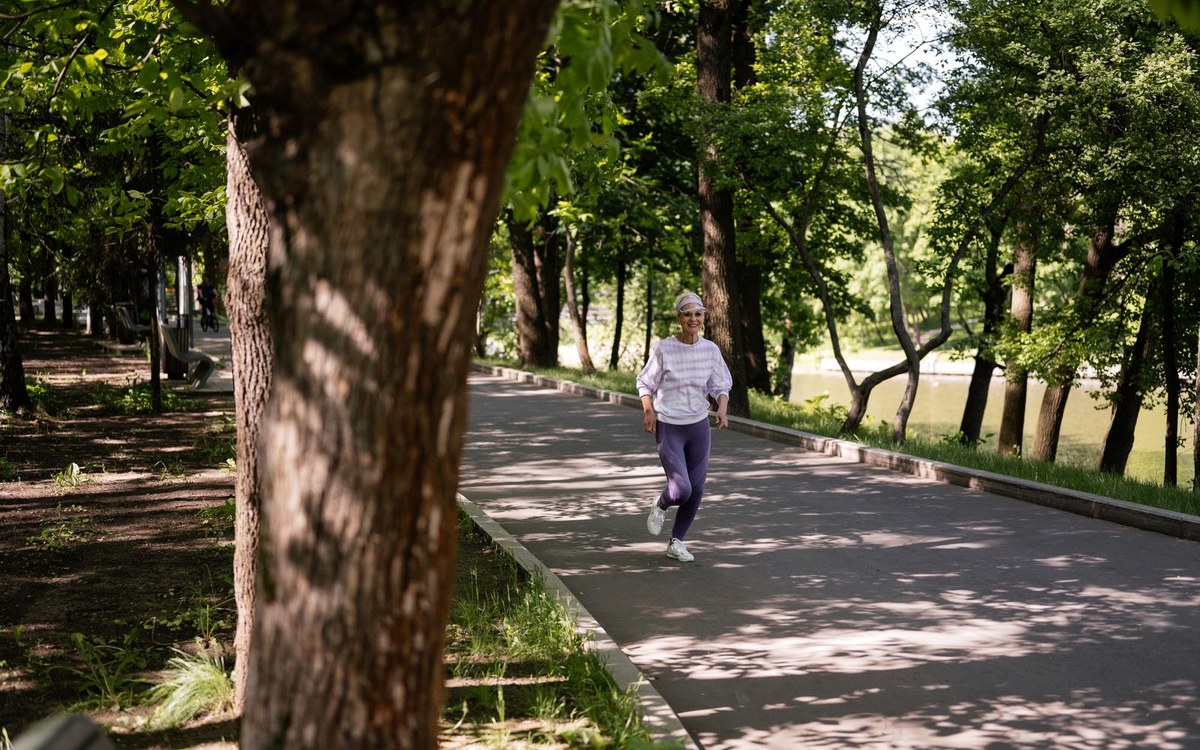
Regular movement supports circulation, strength, energy, and emotional wellbeing. Walking, cycling, swimming, dancing, mobility work, and active chores can all play a role. The most useful option is one that fits your abilities and feels realistic enough to revisit.
If you live with a heart condition, have been inactive, or notice concerning symptoms with activity, ask a qualified professional for personal guidance before changing your routine.
Build a heart-supportive eating pattern
Meals centered around vegetables, fruit, beans, whole grains, nuts, seeds, and other minimally processed foods can support heart health. The overall pattern matters more than a single ingredient. Flavor can come from herbs, spices, citrus, aromatics, and cooking methods you enjoy.
Make space for recovery
Sleep and downtime help regulate many processes connected to heart wellbeing. A repeatable wind-down routine, a comfortable sleep environment, and support for ongoing sleep difficulties may be worthwhile. Persistent snoring, gasping during sleep, or daytime exhaustion deserves a professional conversation.
Notice the weight of stress
Stress is part of life, but carrying it alone can feel especially heavy. Gentle breathing, time outdoors, creative activity, spiritual practice, counseling, or conversation with someone you trust may help. The goal is not to eliminate every stressful feeling; it is to have ways of meeting it with support.
Stay connected to preventive care
Many factors linked with heart health do not create obvious symptoms. Routine care can help you understand relevant screening, family history, medication needs, and changes worth monitoring. Prepare questions in advance and ask for plain-language explanations if a result is confusing.
Respond to urgent warning signs
Sudden chest pressure, severe trouble breathing, fainting, or symptoms that feel alarming may require emergency help. Symptoms can look different from person to person. Do not use an online article to rule out an emergency; contact local emergency services when immediate danger may be present.
Caring for your heart does not have to begin with a dramatic transformation. Begin with a supportive choice you can repeat, then let professional guidance and your own lived experience shape what comes next.